
Kindergarten

KINDER


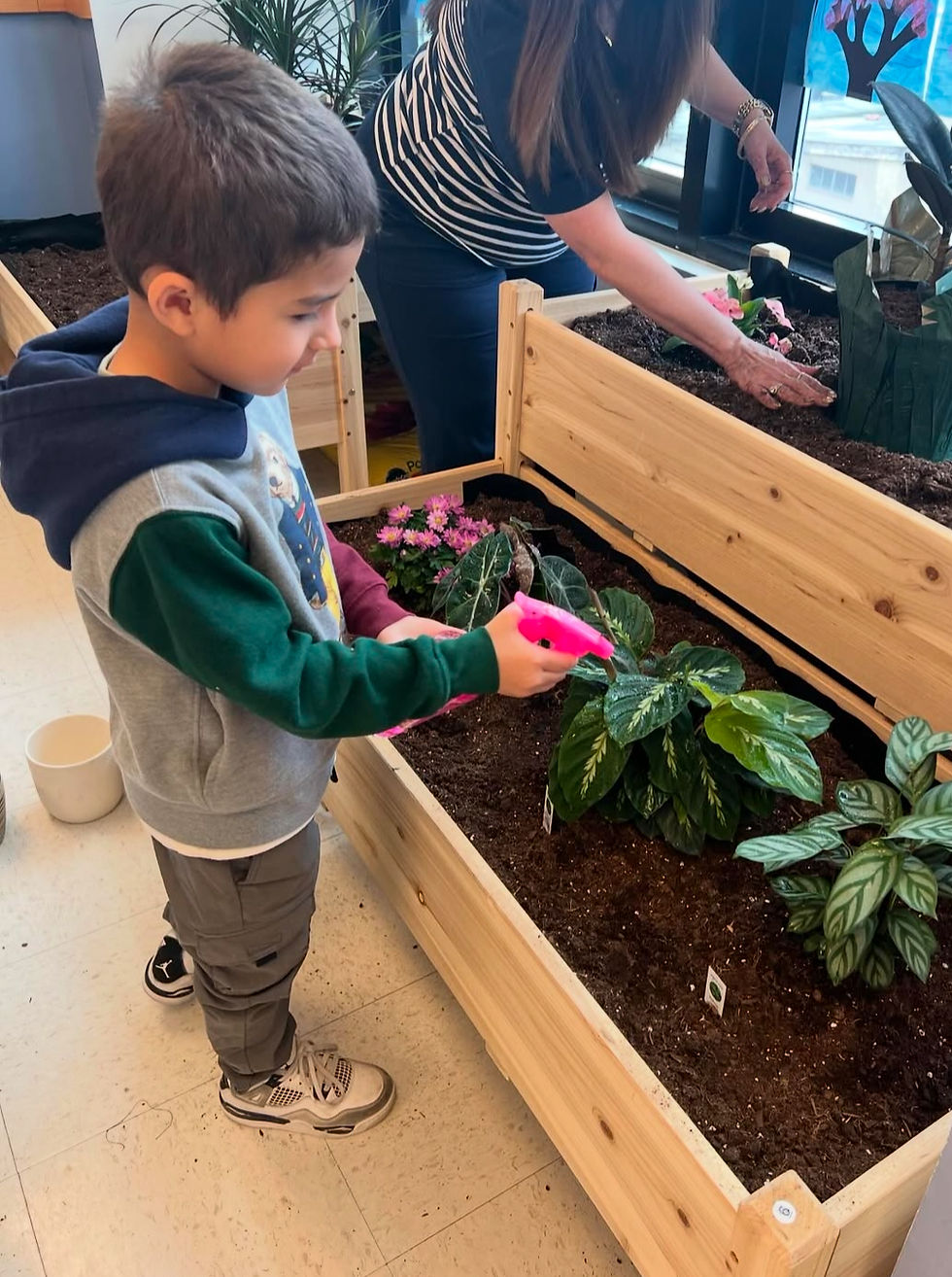

Kindergarteners explore stories, songs, and hands-on activities, discovering the joy of reading and writing.
Reading:
Kindergarteners build the foundations of reading through the Orton-Gillingham (OG)/Institute for Multi-Sensory Education (IMSE) approach, which emphasizes phonemic awareness and early decoding strategies. Students engage with interactive read-alouds, shared reading, and guided practice. Teachers model strategies such as tracking print, making predictions, and retelling events. Through songs, movement, and multisensory activities, students develop early comprehension skills and begin to see themselves as readers. Independent exploration with “just-right” books and literacy centers fosters both confidence and joy in reading.Writing:
In writing, students embark on the writing process, beginning with drawing and labeling, and progressing toward writing sentences. They learn to draft their ideas, share their work with others, and celebrate their first published pieces. Using a scaffolded approach, teachers model stretching out sounds, writing high-frequency words, and using spaces between words. Writing units include nonfiction, how-to texts, and persuasive pieces, allowing children to express themselves with increasing independence. The OG/IMSE approach supports letter formation, spelling patterns, and sentence structure. Through class publishing celebrations, kindergartners proudly show their drawings and first attempts at writing, learning that their thoughts are valuable and can be enjoyed by others.Kindergarten is a time of discovery, and in math, students channel their natural curiosity through the Bridges math program. Students develop number sense by counting, comparing, and representing quantities, while beginning to understand addition and subtraction. They explore numbers and patterns through daily routines, hands-on activities, and games. For example, they might investigate which of two groups has more items or design block structures and describe them using shape names. These opportunities for playful, real-world problem-solving help students build confidence and see themselves as risk-takers who can think like mathematicians.
Kindergarteners are natural scientists. Elysian nurtures their curiosity through hands-on investigations in life, earth, and physical science. Students explore real-world phenomena such as plant growth, weather patterns, and nearby animal habitats. They practice observation, classification, and recording data, often using science notebooks and drawings. Projects include caring for classroom plants, exploring shadows at different times of day, and investigating pushes and pulls through play. Vocabulary such as habitat, weather, force, and observe is introduced, helping students build a foundation for scientific thinking. Through joyful projects and field trips, they discover that science is an adventure of noticing, wondering, and discovering.
In kindergarten, students begin to understand their place in the world. Through engaging units like My Big Backyard and Buildings Around Us, they discover how everyone has an important role to play. Hands-on activities and local field trips are designed to help kindergartners explore their family, community, and neighborhood. By connecting classroom lessons to real-world experiences, children notice and appreciate the people, places, and natural surroundings around them. These opportunities lay a strong foundation for social awareness and community building.
To view a detailed monthly curriculum click here.